
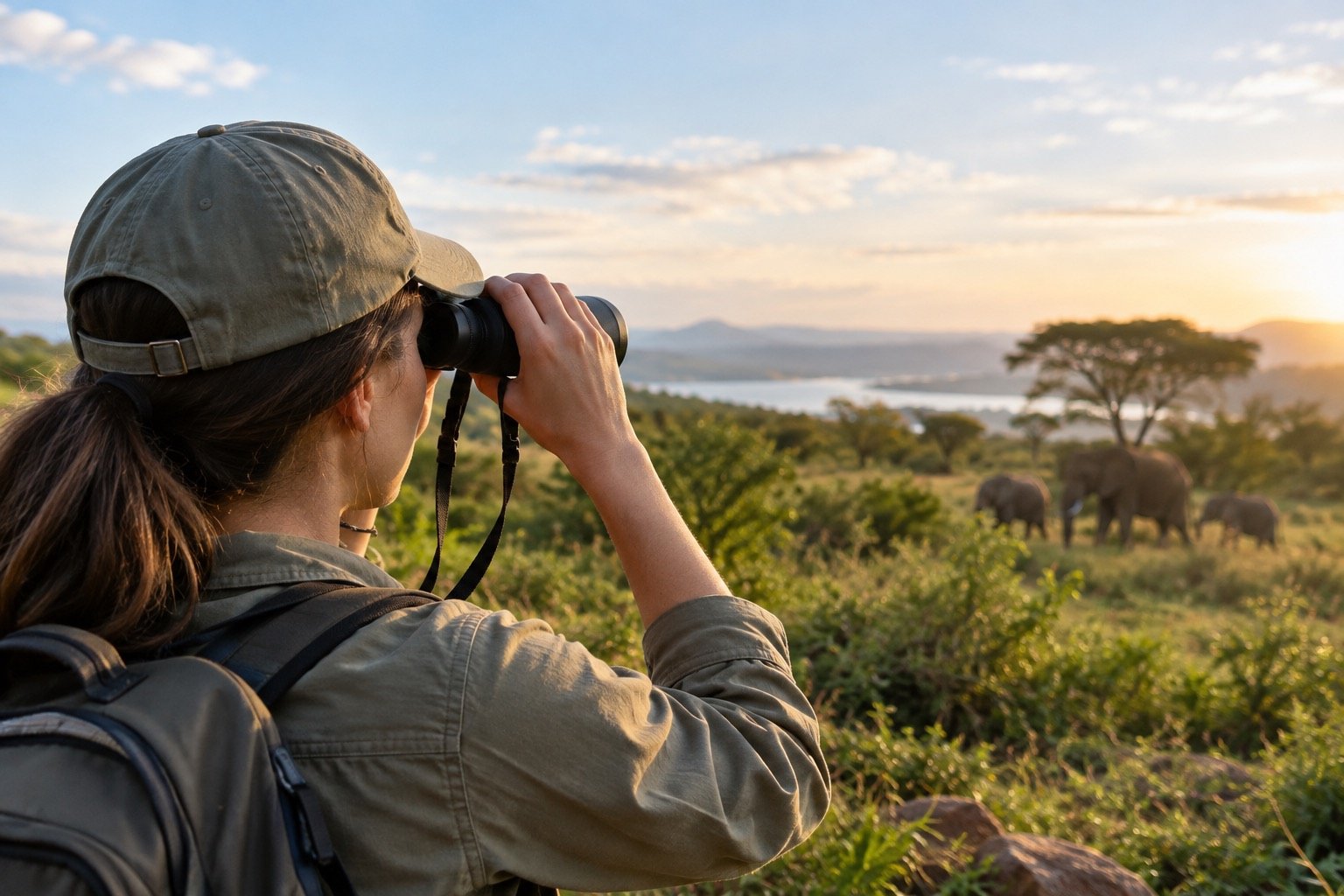
Great wildlife sightings rarely come from luck alone. Experienced guides and birders see more because they know when to look, where to look and how to look. These simple habits will make every outing more rewarding, whether you are on a once-in-a-lifetime safari or walking in a nearby forest.
Go out at the right time
Many animals are most active in the first and last hours of daylight, when temperatures are cooler. Early mornings are often the best time for birdsong and predators returning from the night; late afternoons bring animals to water. The midday hours tend to be quieter, which makes them a good time to rest, review your notes and plan the next outing.
Learn to read the landscape
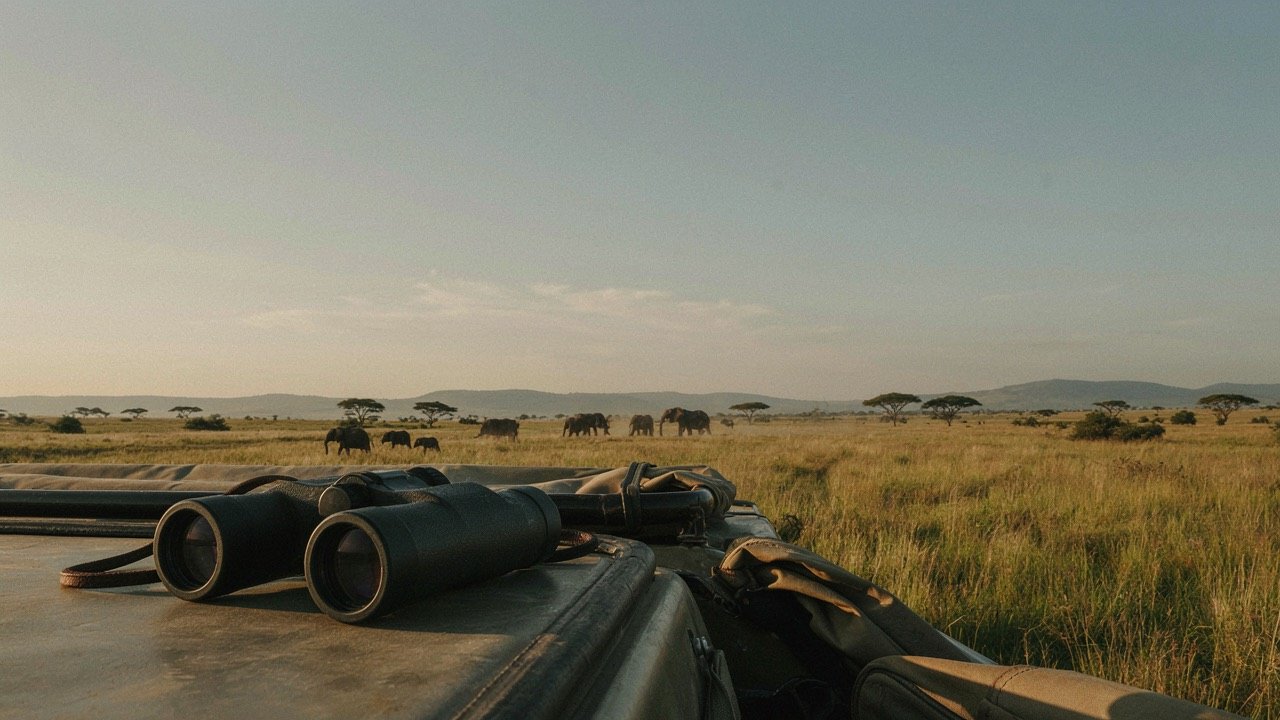
Water, shade and edges are where life concentrates. Watch where grassland meets woodland, along riverbanks and around waterholes. Look for movement, but also for shapes that do not quite fit: a horizontal line in a vertical tree, an ear above the grass, a shadow that is too round.
Use your eyes first, then your binoculars
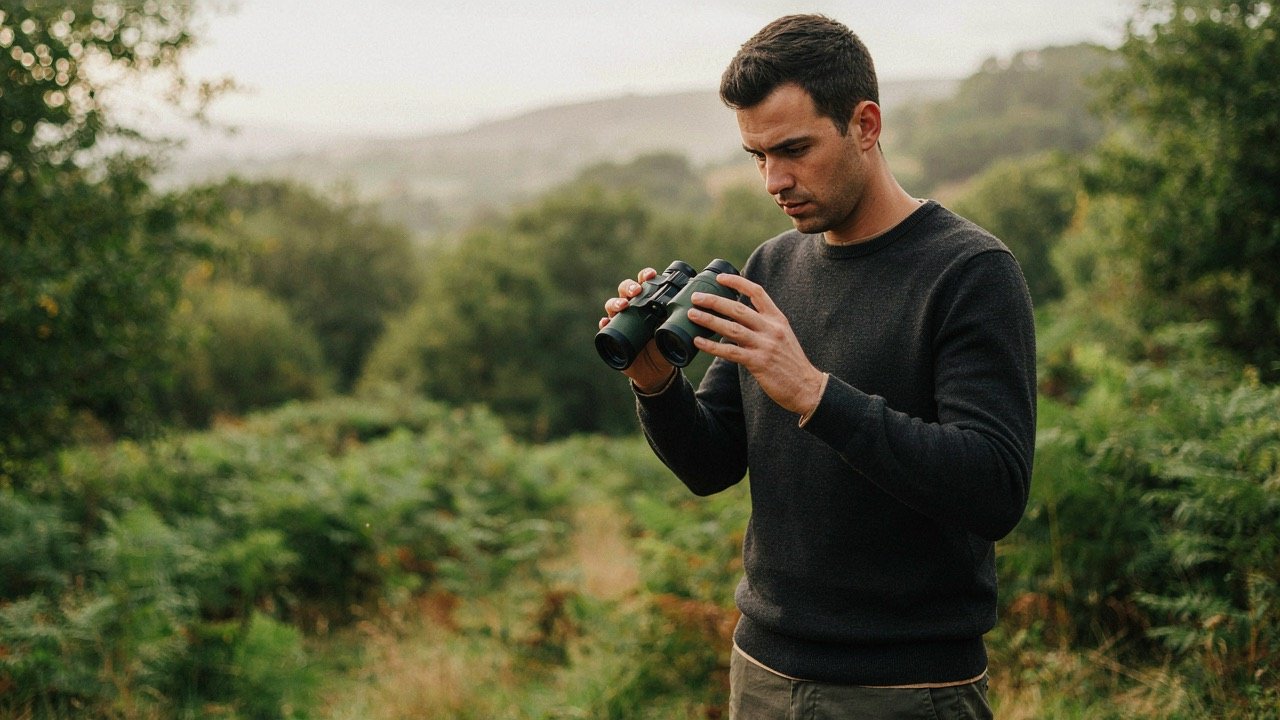
Scan with your naked eyes to spot movement, then raise your binoculars without looking away from the subject. Keep your eyes on the animal and bring the binoculars up to meet them. This one habit makes finding animals far easier, and it gets faster with practice.
Set up your binoculars properly
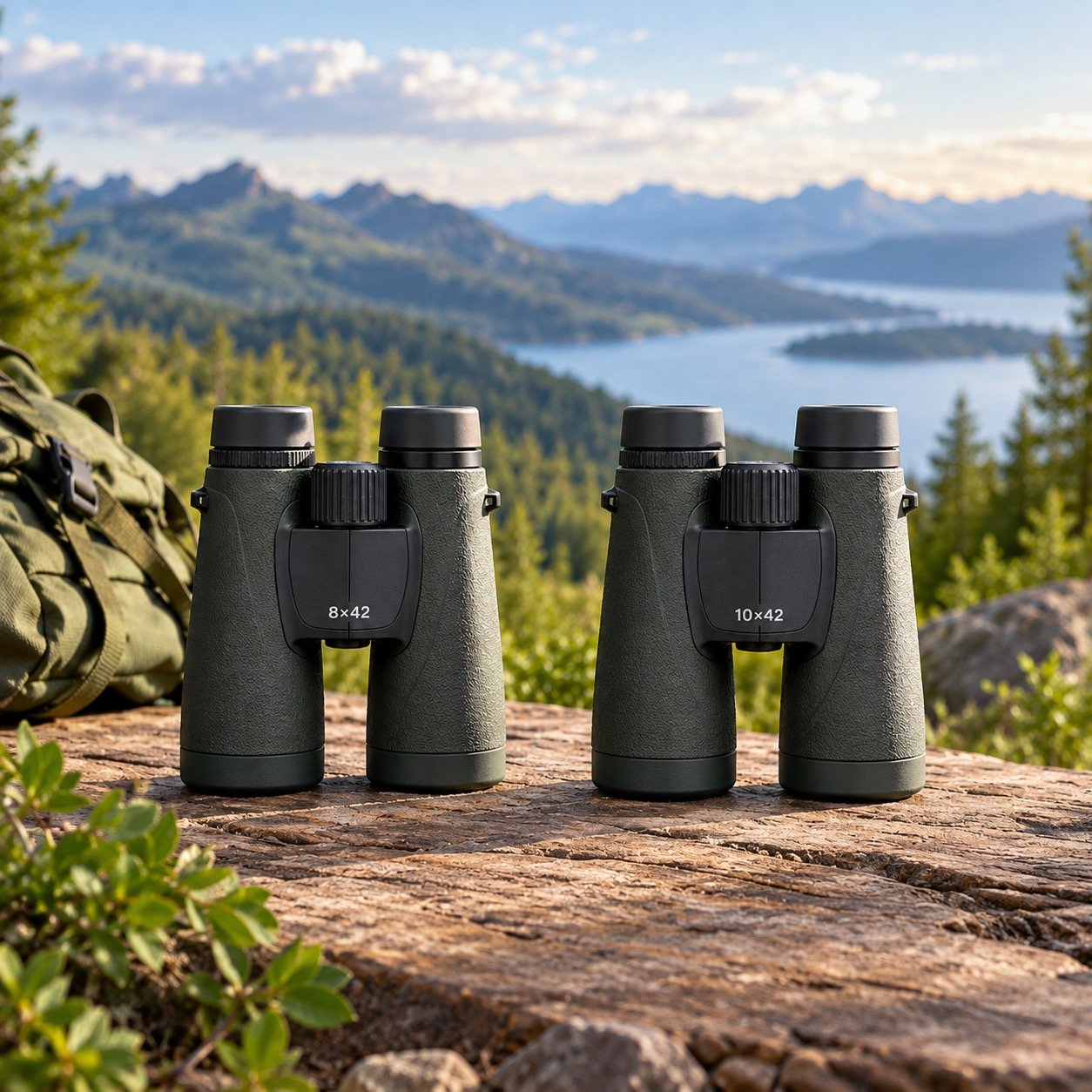
- Width: fold the barrels until you see one clear circle.
- Eyecups: twist them up if you do not wear glasses, down if you do.
- Dioptre: close your right eye and focus with the centre wheel using your left eye, then close your left eye and adjust the dioptre ring for your right eye. Now both eyes are matched.
Watch behaviour, not just animals
Alarm calls from birds and monkeys, impala all looking in the same direction, or vultures circling can all point to a predator nearby. Once you have found an animal, stay with it. Watching how it feeds, moves and interacts is often more memorable than ticking off a long list of species.
Be patient and respectful
Keep your distance, keep your voice low and follow your guide’s instructions. Good binoculars let you enjoy close detail without disturbing wildlife, which is better for the animals and usually leads to more natural, longer sightings.
Keep a simple field notebook
Note the date, place, time and what you saw. Over time you will start to notice patterns in where and when animals appear, and your sightings will improve.
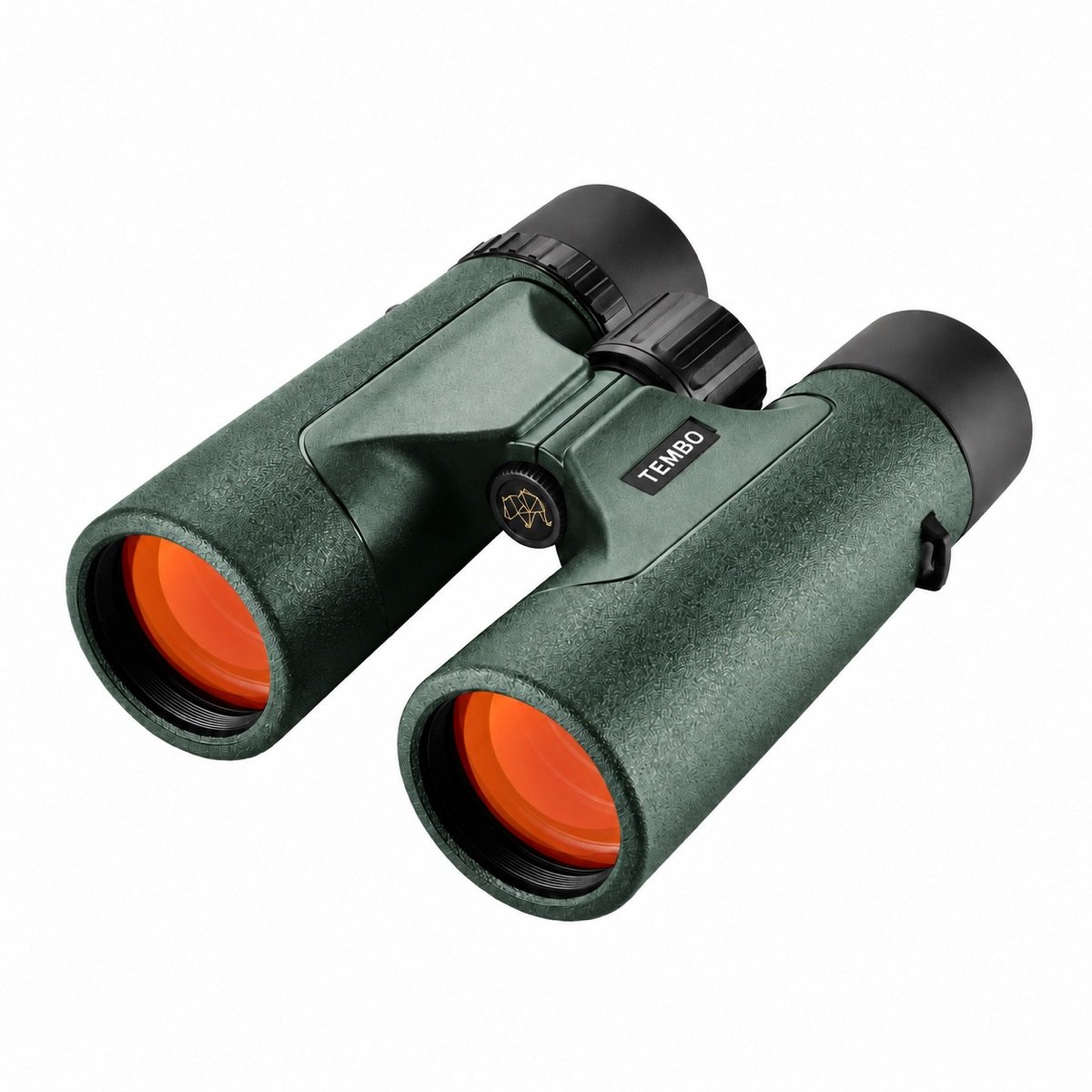
Looking for a first pair? The Tembo Explorer is light, fully waterproof and easy to carry on every walk.